
Fire Safety for Employees: Complete Workplace Safety & Training Guide
- May 24, 2023
Fire safety for employees is a fundamental part of workplace safety that protects lives, assets, and business operations. Every workplace—offices, factories, warehouses, hospitals, and commercial buildings—faces potential fire hazards. Without proper fire safety awareness and training, a small spark can turn into a life-threatening emergency.
This guide explains what fire safety for employees is, why it is mandatory, and how organizations can implement effective fire safety training to ensure preparedness, compliance, and employee protection.
What Is Fire Safety for Employees?
Fire safety for employees refers to the procedures, training, equipment, and responsibilities designed to protect employees from fire hazards in the workplace. It includes fire prevention practices, emergency response actions, evacuation planning, and the correct use of firefighting equipment such as fire extinguishers and fire alarms.
The objective of fire safety for employees is to prevent fires, reduce panic, enable safe evacuation, and minimize injuries, loss of life, and property damage.
Why Fire Safety for Employees Is Important
According to the NDMA fire safety awareness guidelines, workplaces must train employees to recognize fire risks, use safety equipment, and follow evacuation procedures.
Fire safety training plays a critical role in maintaining a secure work environment. Here’s why fire safety for employees is essential:
1. Increases Awareness and Preparedness
Fire safety training helps employees understand how fires start and spread. Employees learn:
- Common workplace fire hazards
- Fire prevention techniques
- Emergency evacuation procedures
- Safe use of fire extinguishers
This awareness reduces confusion and panic during emergencies.
2. Improves Employee Safety During Fire Emergencies
Fire safety training prepares employees to respond calmly and correctly. They learn:
- How to move safely in smoke-filled areas
- How to identify safe exit routes
- When and how to use firefighting equipment
This knowledge significantly improves survival and injury prevention.
3. Minimizes Property Damage and Business Downtime
Trained employees can respond quickly to small fires before they escalate. Early intervention helps:
- Control fire spread
- Protect workplace assets
- Reduce operational downtime and financial loss
Fire Safety Responsibilities of Employees
Employees play a direct role in workplace fire safety. Their responsibilities include:
- Reporting fire hazards immediately
- Keeping exits and staircases clear
- Knowing evacuation routes and assembly points
- Following fire warden instructions
- Using fire extinguishers only when trained
Clear responsibilities ensure an organized and safe evacuation.
How to Implement Fire Safety for Employees at the Workplace
Organizations should follow a structured approach to implement fire safety effectively:
1. Develop a Fire Safety Plan
Create a workplace-specific fire safety plan that includes:
- Identification of fire hazards
- Emergency evacuation routes
- Assembly points
- Employee roles and responsibilities
- Compliance with fire safety regulations
2. Conduct Regular Fire Safety Training
Fire safety training should be provided to all employees, including new joiners. Training must cover:
- Fire prevention practices
- Evacuation procedures
- Fire extinguisher handling
Regular training improves confidence and response time.
3. Provide Hands-On Fire Extinguisher Training
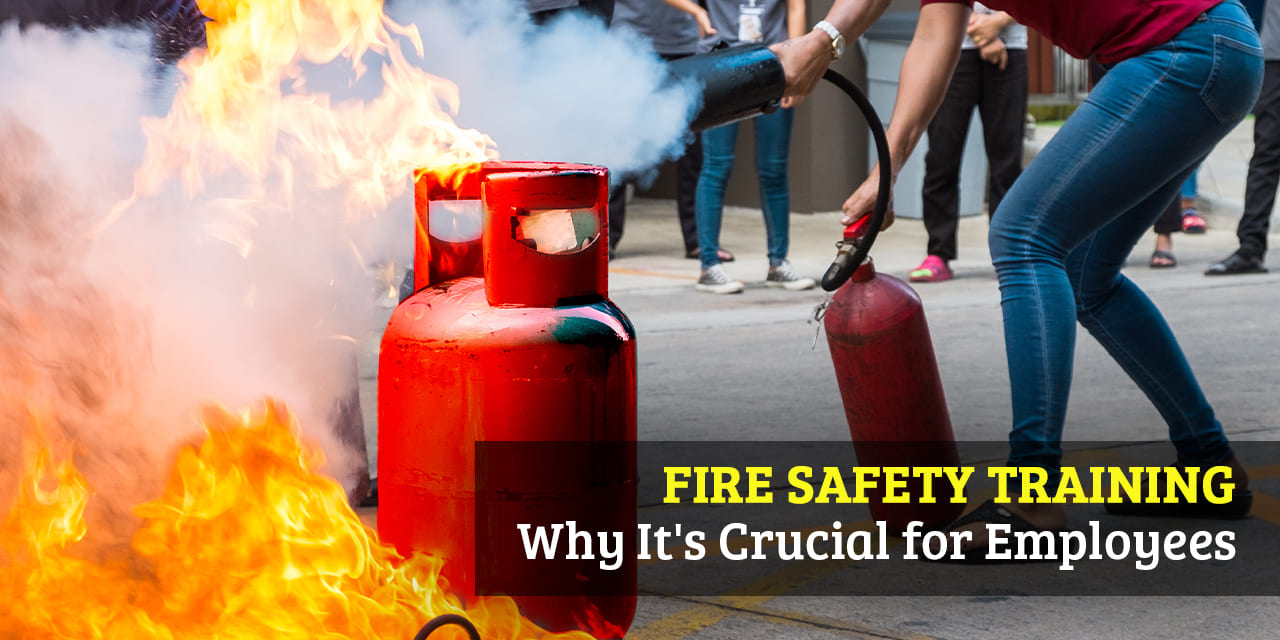
Practical training allows employees to understand extinguisher types and usage. Hands-on sessions improve skill retention and emergency response accuracy.
4. Organize Mock Fire Drills
Mock fire drills test preparedness and emergency coordination. These drills help:
- Identify evacuation delays
- Improve response efficiency
- Build employee confidence
Fire drills should be conducted at least twice a year.
5. Install Clear Fire Safety Signage
Clear and visible signage saves valuable time during emergencies. Ensure proper marking of:
- Fire exits
- Evacuation routes
- Fire extinguisher locations
- Fire alarm points
6. Review and Update Fire Safety Measures
Fire safety plans should be reviewed annually or when changes occur, such as:
- New equipment installation
- Workplace layout changes
- Updated fire safety regulations
Fire Safety Compliance for Employees
In India, fire safety for employees must comply with the National Building Code (NBC) and local fire authority guidelines. Employers are legally responsible for:
- Providing fire safety training
- Installing certified fire safety equipment
- Conducting fire drills
- Maintaining evacuation systems
Non-compliance may result in penalties, shutdowns, or legal action.
Benefits of Fire Safety for Employees
- Creates a safer work environment
- Reduces workplace accidents and injuries
- Ensures legal and regulatory compliance
- Protects business assets and operations
- Builds a proactive safety culture
Frequently Asked Questions
1. Is fire safety training mandatory for employees?
Yes, fire safety training is mandatory under workplace safety regulations and fire authority guidelines.
2. How often should fire safety training be conducted?
Fire safety training should be conducted annually and during employee onboarding.
3. Who is responsible for fire safety at the workplace?
Employers are legally responsible, while employees must follow fire safety procedures.
4. What equipment should employees be trained to use?
Employees should be trained to use fire extinguishers, fire alarms, and emergency exits.
5. How do you keep employees safe during a fire?
Employees are kept safe during a fire by having clear evacuation plans, working fire alarm systems, accessible fire extinguishers, marked emergency exits, and regular fire drills. Quick detection, calm evacuation, and trained staff are key to preventing injuries and loss of life.
6. What is fire safety in the workplace?
Fire safety in the workplace refers to the practices, systems, and procedures used to prevent fires and protect employees during emergencies. It includes fire prevention, early detection, safe evacuation, and the use of firefighting equipment to minimize risks.
Final Thoughts
Fire safety for employees is essential for protecting people, property, and productivity. A well-trained workforce can prevent fires, respond effectively during emergencies, and minimize damage. By implementing a structured fire safety plan, conducting regular training, and ensuring compliance with fire regulations, organizations can create a safer and more resilient workplace.
Kanex Fire provides certified fire safety equipment and professional fire safety training solutions to help organizations protect their employees and assets.