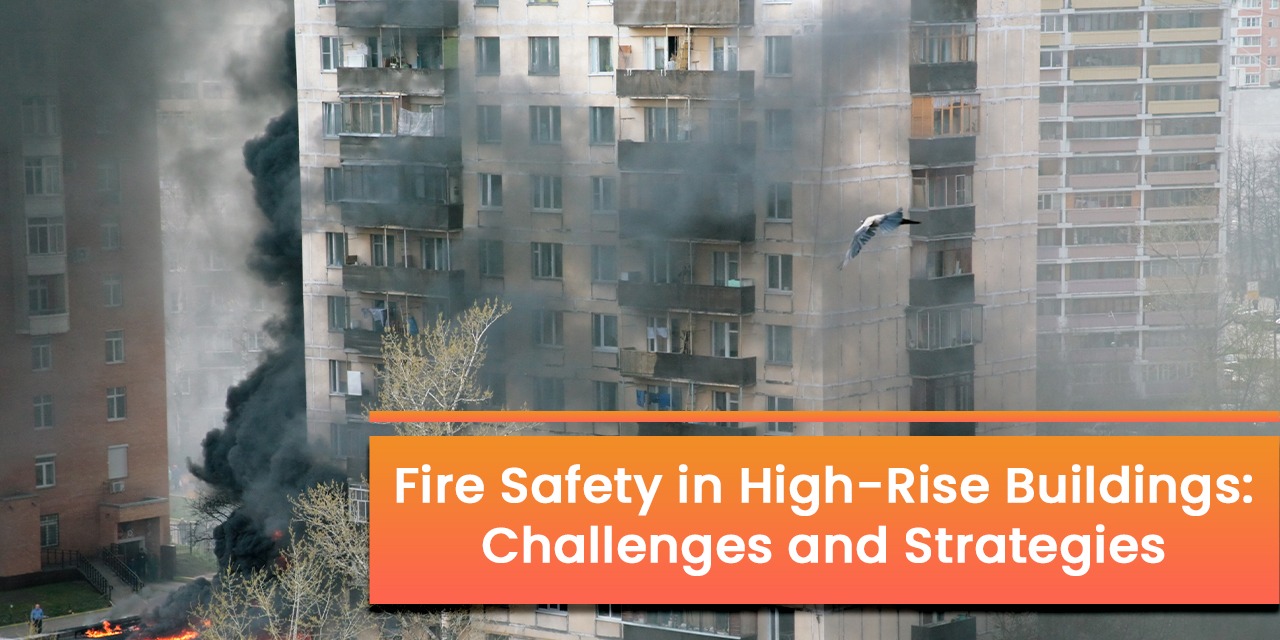
Fire Fighting System in Building: Safety Challenges & System Strategies
- September 11, 2023
A fire fighting system in a building plays a critical role in detecting, controlling, and suppressing fire emergencies, especially in high-rise structures. These systems are designed to protect lives, property, and ensure compliance with fire safety regulations.
Fire Fighting System for Building – Overview
A fire fighting system for building includes a combination of active and passive fire protection systems such as fire sprinklers, hydrants, alarms, pumps, and suppression systems. These systems work together to detect fire early, control its spread, and support safe evacuation.
Understanding the Challenges
Evacuation Concerns: Evacuating a high-rise building during a fire emergency can be complex due to the sheer number of residents and limited exit routes. Elevators are typically unavailable during fires, which means occupants must use stairwells, potentially causing congestion. Properly designed fire alarm and public address systems help guide occupants during evacuation and reduce panic in high-rise buildings.
Fire Spread: High-rises are susceptible to rapid fire spread due to their vertical nature. Fires can move quickly through corridors, stairwells, and even façades, making containment and control challenging. Fire spread can be controlled using automatic sprinkler systems, fire-rated doors, and compartmentation.
Communication Barriers: Effective communication during emergencies is crucial. However, reaching residents across numerous floors can be difficult, especially if they are not aware of the ongoing emergency.
Fire Fighting System Strategies for High-Rise Buildings
Comprehensive Fire Safety Plans: High-rise buildings must have well-documented fire safety plans that include clear evacuation routes, assembly points, and procedures for assisting individuals with mobility challenges.
1. Regular Fire Drills: Conduct regular fire drills to familiarize residents with evacuation procedures and emergency exits. These drills should be practiced both during daytime and nighttime scenarios.
2. Visible Signage: Install visible and illuminated exit signs, directional signs, and floor plans in common areas and stairwells to guide occupants to safety.
3. Fireproofing and Building Materials: Employ fire-resistant building materials, particularly for the building’s façade and interior structures. This can slow down fire spread and provide additional time for evacuation.
4. Active and Passive Fire Fighting Systems in Building: Install automatic sprinkler systems, smoke alarms, and Fire Protection Systems throughout the building. Consider investing in advanced technologies that detect smoke and fire in their early stages.
5. Communication Systems: Establish a reliable communication system that can reach all residents in case of emergencies. This could include text alerts, intercoms, and public address systems.
6. Stairwell Pressurization: Implement stairwell pressurization systems that prevent smoke from infiltrating stairwells, allowing occupants to evacuate safely.
7. Firefighting Equipment: Equip the building with strategically located fire hoses and fire extinguishers that are accessible to trained individuals. Work with local fire departments to ensure they have access to water sources and can respond quickly.
8. Security Measures: Secure elevator access during emergencies to prevent individuals from inadvertently using elevators during a fire.
9. Community Education: Educate residents about fire safety practices, such as not propping open fire doors and not using elevators during fire emergencies. In conclusion, living in a high-rise building presents unique challenges in terms of fire safety. However, with careful planning, proper training, and the implementation of advanced fire safety measures, these challenges can be effectively managed. Collaborating with building management, local fire departments, and residents is key to ensuring the safety and well-being of everyone in the high-rise community. By prioritizing fire safety, we can create a safer living environment for all high-rise occupants.
Implementing a well-designed fire fighting system for building is not just a safety requirement but a legal and moral responsibility. Professional design, proper installation, and regular maintenance ensure long-term fire protection and compliance with fire safety norms.
Final Thoughts
Fire safety in high-rise buildings depends on the proper design, installation, and maintenance of a reliable fire fighting system in building structures. By addressing safety challenges through advanced fire detection, suppression systems, and well-planned evacuation strategies, building owners can significantly reduce fire risks. With expert solutions from Kanex Fire, investing in compliant fire fighting systems not only protects lives and property but also ensures adherence to fire safety regulations and long-term operational safety.
You may also Like