Top Tips to Safely Manage a Fire in Your Kitchen
- February 15, 2023
Cooking can be a joy, but safety is paramount. Discover top tips to manage a fire in your kitchen and keep your culinary creations flame-free!
Understanding Kitchen Fires: Causes and Risks
The kitchen is the place where most of the fire happens. Whether it’s a home kitchen or a hotel or a hospital, fire can take place anytime as the kitchen is a place where we use fire for cooking.
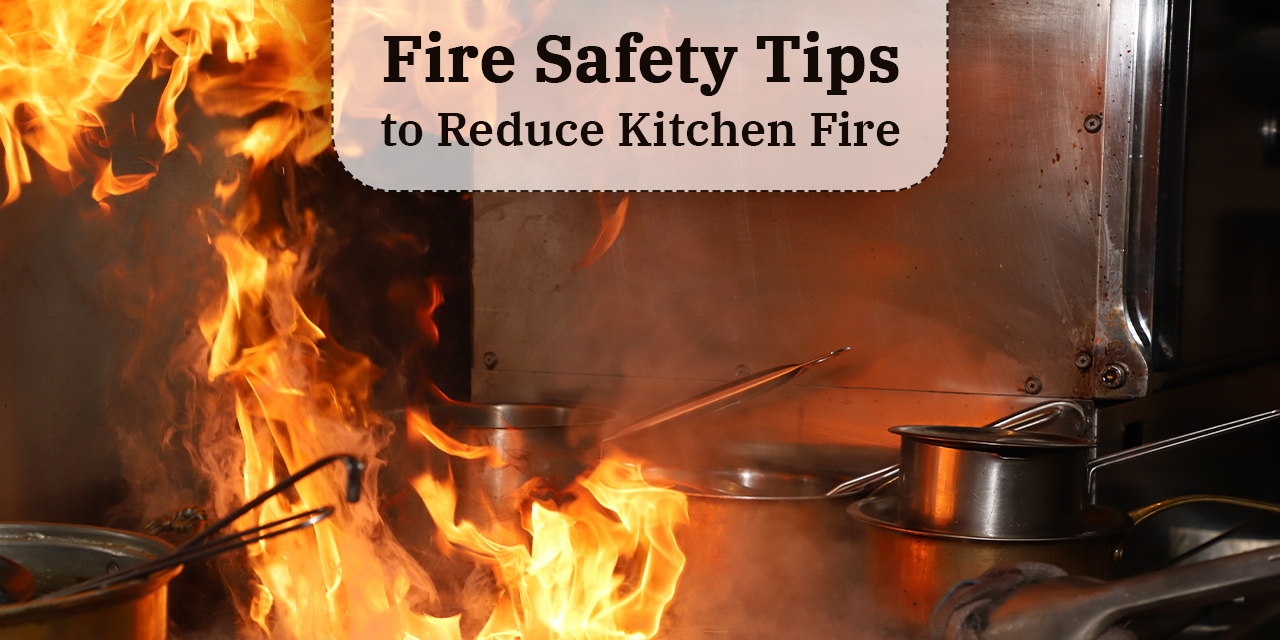
Cooking is responsible for 49% of all home fires and 42% of home fire injuries. Kitchen Fire Safety is essential in any case. Taking care to make your home safe and your holiday enjoyable is always a smart idea. Here are some Fire Safety Tips for the prevention of kitchen fires.
1. While cooking, never leave your burner unattended.
This may seem obvious, yet unattended cooking is the leading cause of cooking fires, according to the National Fire Protection Association. Stay in the kitchen while you’re frying, grilling, boiling, or broiling meals. If you must leave the room, even for a few moments, turn off the burner. This can help a lot in not occurring any hazardous fires in the kitchen.
2. Keep flammable items away from your cooking area.
It is a small but very important step in the kitchen fire safety tips. A pot holder or dish towel placed too close to the heating source or open flame can cause a fire. Keep everything that can catch fire away from your stovetop, such as food packaging, oven mitts, and towels. You should maintain a clean cooking area free of combustible materials.
3. Grease should be avoided.
When grease becomes excessively heated, it can quickly catch fire. Grease fires can be promptly extinguished by shutting off the pan’s oxygen supply. Turn off the heat source, place a lid over the fire in the pan, and hold for a few moments, taking caution not to burn yourself. Also, never remove a blazing pot or skillet from the stove. If the flames become too large to smother, or if you are not fully comfortable with the concept of attempting to smother the flame, leave the house immediately.
4. Store no food or other goods in your oven.
It’s easy to forget there’s something in your oven that could catch fire when preheating. Unfortunately, individuals frequently use their ovens as extra storage. You should not use your oven as extra storage. This can result in dangerous fires.
Kitchen Fire Safety: Key Questions Answered
1. How to safely extinguish a kitchen fire caused by oil?
➔If an oil fire starts, stay calm and never pour water on it, as this can make the flames explode. Turn off the heat source immediately. If possible, cover the pan with a metal lid or fire blanket to cut off oxygen. You can also use a Class K or ABC fire extinguisher designed for kitchen fires. If the fire grows out of control, evacuate and call emergency services right away.
2. What are the steps to prevent kitchen fires while cooking at home?
➔Most kitchen fires can be avoided with simple habits. Never leave cooking unattended, especially when using oil or high heat. Keep flammable items like towels, paper, and curtains away from the stove. Clean grease buildup regularly, use proper cookware, and always turn off appliances after use. Installing a smoke detector near the kitchen adds an extra layer of safety.
3. What is a kitchen fire?
➔A kitchen fire is a fire that starts in the cooking area, usually due to oil, grease, gas leaks, electrical faults, or unattended cooking. These fires can spread very quickly because kitchens contain heat sources and flammable materials, making them one of the most common causes of household fires.
4. Which extinguisher is used for kitchen fires?
➔The most suitable extinguisher for kitchen fires is a Class K fire extinguisher, as it is specifically designed to handle oil and grease fires. In homes, a multi-purpose ABC extinguisher can also be used for small kitchen fires if Class K is not available.
5. What are the basic kitchen fire safety rules?
➔Basic kitchen fire safety includes staying alert while cooking, keeping children away from the stove, and avoiding loose clothing near flames. Always handle hot oil carefully, check gas connections regularly, and know where your fire extinguisher or fire blanket is located. Simple awareness can prevent serious accidents.
6. What is the best thing to put out a kitchen fire?
➔The best option depends on the fire type. For oil or grease fires, a fire blanket, metal lid, or Class K extinguisher works best. For small electrical fires, turning off the power source and using an appropriate extinguisher is safest. Water should only be used if you are sure it’s not an oil or electrical fire.
7. What causes most kitchen fires?
➔The most common cause of kitchen fires is unattended cooking, especially frying with oil. Other major causes include overheated grease, faulty electrical appliances, gas leaks, and flammable items placed too close to heat sources.
8. How many types of kitchen fires are there?
➔Kitchen fires are generally classified into three main types:
- Grease or oil fires (most common)
- Electrical fires (from appliances or wiring)
- Gas fires (caused by leaks or open flames)
Each type requires a different approach to extinguishing safely.
9. What should you do if you are not sure how to handle a kitchen fire?
➔If you’re unsure or feel unsafe, do not try to fight the fire. Turn off the gas or electricity if it’s safe to do so, leave the area immediately, close the door behind you, and call emergency services. Your safety is always more important than saving property.
10. What are the dangers of kitchen fires?
➔Kitchen fires can cause serious burns, smoke inhalation, property damage, and even loss of life. Smoke from a small fire can spread quickly, making it hard to breathe or see. Fires can also weaken the structure of a home and lead to long-term health and financial consequences.
Conclusion: Staying Safe in the Kitchen
Staying safe in the kitchen requires a combination of awareness, preparation, and education. By understanding the causes and risks of kitchen fires, you can take proactive steps to prevent them. Equip your kitchen with essential fire safety equipment such as fire extinguishers, fire blankets, and smoke alarms, and ensure they are regularly maintained.
Implement preventive measures to avoid kitchen fires, such as never leaving cooking unattended, keeping your cooking area clean, and using appliances safely. Know what to do if a fire starts, including how to use a fire extinguisher effectively and when to evacuate. Create a fire escape plan for your home and practice it regularly with your family.
Avoid common cooking hazards by staying vigilant and using the appropriate cookware. Educate your family on fire safety and encourage them to stay informed and prepared. By following these top tips, you can enjoy the joy of cooking while keeping your kitchen and your home safe from the dangers of fire. It is essential to have a Kitchen Fire Extinguisher with a working Kitchen Fire Suppression System for Kitchen Fire Safety.