
How to Deal with House Fires: Causes, Prevention & Emergency Safety Guide
- March 27, 2023
House fires are dangerous and unpredictable, and even small fires can cause major damage. Every person living there is put in danger by house fires, and even tiny ones that are easily put out can cause thousands of rupees’ worth of damage.
It’s true that a lot of these fires might be prevented. You might avoid a calamity by implementing the simple safety measures described here. The destruction of structures and other property can be avoided, as well as the potential loss of life, by being aware of the most common causes of house fires and installing Fire Extinguishers for homes.
What Are House Fires?
House fires are uncontrolled fires that start inside a residential property due to heat, flames, electricity, or fuel sources. They can begin from common daily activities—cooking, heating, electrical use—and escalate rapidly if not controlled in time.
Understanding the causes of house fires is the first step in preventing them.
Quick Summary: Top Causes of House Fires
- Cooking fires
- Electrical faults
- Smoking accidents
- Heating equipment malfunction
- Prevent using: home fire extinguishers, smoke alarms, and regular inspections
What Causes Most House Fires?
1) Cooking Accidents
Almost half of all residential fires are caused by cooking fires, making it one of the most frequent types of home fires. It only takes a few seconds for a pot or skillet to catch fire when it overheats or spatters grease. Keep an eye on your cooking while it’s going on, especially if you’re using oil or high heat. Keep combustibles away from heat sources, such as dish towels, paper towels, and oven mitts. Think about keeping a proper fire extinguisher or fire blanket handy to use in the event of a fire.
2) Electrical malfunctions
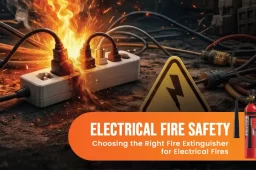
Building materials are ignited by arcing (sparking) caused by short circuits or loose connections, or by circuits that are overloaded with electricity, which overheats the wires.
Make sure to avoid fire:
1) No frayed or loose cables or plugs are present on your electrical appliances.
2) There aren’t too many plugs in your outlets.
3) You don’t run electrical lines underneath heavy furniture or rugs
4) You aren’t utilising an adaptor or extension cord excessively.
3) Smoking-related fires
The result of careless smoking behaviours is one of the most common causes of house fires. Smoking can occasionally cause people to nod off. They run the risk of starting a fire on their couch, bed, or other furniture. Make every effort to ensure that smoking is prohibited throughout the house, especially in bedrooms. Utilize big, deep ashtrays, keep them away from anything that will ignite, and look on furniture for any embers or fallen cigarettes.
4) Heating equipment malfunction
When materials like textiles and other combustibles are kept too close to baseboard heaters and space heaters in homes, they might catch fire. Fuel-powered heaters, like those that use kerosene, are particularly risky because, if not carefully supervised, they might catch fire or explode. Any heating appliance you use should have instructions, and you should routinely check to make sure it’s in working order. Never turn on the heater before leaving the house.
Early Warning Signs of Potential House Fires
Never ignore these signals:
- Flickering lights
- Burning smell near appliances
- Discolored electrical outlets
- Sparks or buzzing sounds
- Overheating switches or cables
How to Prevent House Fires
Use this easy prevention checklist:
- Install smoke alarms in all major rooms
- Keep fire extinguishers accessible in the kitchen, living room, and bedrooms
- Schedule electrical inspections once a year
- Clean chimneys and vents regularly
- Educate family members on basic fire safety
- Keep emergency numbers easily visible
What To Do During House Fires: Step-by-Step Emergency Guide
1. Stay Calm and Act Fast
Panic slows decision-making. Move quickly but stay aware.
2. Alert Everyone in the Home
Shout “Fire! Fire!” to warn others.
3. Use a Home Fire Extinguisher (If Safe)
If the fire is small, use:
- ABC Dry Powder Fire Extinguisher
- Kitchen Fire Extinguisher (Class K)
If flames spread quickly—EVACUATE.
4. Stay Low to Avoid Smoke
Smoke rises. Crawl to escape.
5. Close Doors Behind You
This slows the spread of flames.
6. Exit the House Immediately
Never go back inside for belongings.
7. Call Emergency Services
Dial your local fire brigade number as soon as you reach safety.
8. Never Use Water on Electrical or Oil Fires
This can cause the fire to explode or spread.
Why Home Fire Extinguishers Are Important
A home fire extinguisher can help control a small fire before it becomes a disaster. Kanex Fire provides high-quality extinguishers suitable for kitchens, living rooms, and bedrooms.
Recommended for homes:
Frequently Asked Questions About House Fires
1. What is the main cause of house fires?
The main cause of house fires is unattended cooking, especially when oil or gas stoves are left on. Other common causes include faulty electrical wiring, overloaded sockets, heating appliances, candles, and smoking indoors. Poor maintenance and lack of fire safety equipment increase the risk of fire spreading quickly.
2. What is the meaning of house fire?
A house fire refers to an uncontrolled fire that starts and spreads inside a residential building. It can damage property, cause injuries, or result in loss of life. House fires usually begin due to electrical faults, cooking accidents, or open flames and require immediate action to control and evacuate safely.
3. What is the most common type of house fire?
The most common type of house fire is a kitchen fire caused by cooking accidents. These fires often start when food, oil, or appliances overheat or are left unattended. Grease fires spread rapidly and are dangerous if water is used, making fire extinguishers and smoke alarms essential.
4. How to survive a house fire?
To survive a house fire, stay calm and act quickly. Get low to avoid smoke inhalation, use a safe exit, and never use elevators. Check doors for heat before opening. If trapped, block smoke with cloth and signal for help. Install smoke alarms and practice fire drills regularly.
5. What is the biggest risk of a house fire?
The biggest risk of a house fire is smoke inhalation, which can cause unconsciousness within minutes. Toxic gases reduce oxygen levels and make escape difficult. Fire spread, structural collapse, and panic are additional dangers. Early detection, working smoke alarms, and a fire escape plan greatly reduce these risks.
6. How does home fire end?
A home fire ends when it is fully extinguished by residents, fire extinguishers, or fire services. Fires may also stop when fuel sources are removed or oxygen supply is cut off. However, hidden embers can restart fires, so professional inspection is essential even after flames appear controlled.
7. How do I make a home fire escape plan?
To make a home fire escape plan, identify at least two exits from every room and choose a safe outdoor meeting point. Ensure everyone knows how to unlock doors and windows quickly. Practice the plan twice a year, include children and elderly members, and install smoke alarms near bedrooms.
8. Why did a house fire start in the early hours?
House fires often start in the early hours due to unattended electrical appliances, charging devices, or heating systems left on overnight. During sleep, fires go unnoticed and spread faster. Lack of supervision and delayed response make early-morning fires more dangerous, highlighting the importance of smoke alarms.
9. Why do modern homes have a fire hazard?
Modern homes have higher fire hazards due to increased use of electrical devices, synthetic materials, and complex wiring systems. Fast-burning furniture and overloaded power outlets allow fires to spread rapidly. While modern designs improve comfort, they require strict electrical safety, regular maintenance, and proper fire protection systems.
Conclusion:
Most house fires are preventable with the right awareness, safe habits, and fire protection tools. Install reliable Fire Fighting Equipment to protect your home and loved ones from unexpected fire hazards.
Kanex Fire is one of India’s trusted manufacturers of fire safety equipment.
Connect with us to explore our home fire extinguishers and stay safer every day.
You may also Like